M&A & Deal Consolidation ▲ Uptick
$380M+ +14% vs 4-wk avg
Tuck-in acquisitions surging in smart navigation, catheter sensor arrays, and interventional robotics platforms.
Context: Historical median: $310M
Weekly Clearances, Regulatory Enforcement, Market Trends & AI In MedTech
Three clearances span high-volume disposable sharps, connected clinical informatics, and computer-aided detection. Pattern is bifurcated: incremental safety and usability optimization in Class II consumables alongside software-centric platforms focused on interoperability, workflow integration, and decision support. No novel implantable or life-sustaining signal. Commercial implication is efficiency and risk-reduction rather than new therapeutic modality.
High clearance throughput for neurostimulators and 3D dosimetry algorithms, with CDRH triage favoring modular predicate equivalence.
Class II packaging and endotoxin recalls highlight urgent supplier quality controls and ASTM F88 seal validation audits.
Pulsed Field Ablation (PFA) captures 42% of new EP installs, forcing legacy RF and cryoablation platforms into defensive discounting.
Section 524B SBOM refusals continue at 40%+; engineering teams must embed machine-readable vulnerability exports into Phase 2 design controls.

Weekly directional shifts across regulatory throughput, M&A deal consolidation, quality enforcement actions, and early-stage capital allocation.
Tuck-in acquisitions surging in smart navigation, catheter sensor arrays, and interventional robotics platforms.
CDRH clearance velocity high for neuromodulation & surgical tools; eSTAR triage medians down to 118 review days.
Packaging seal breaches and raw material pyrogen variability dominate root causes, while firmware recalls stabilize.
Private early-stage rounds remain selective, but NIH SBIR/STTR and ARPA-H non-dilutive grant participation is up 28%.
Comparative annual expansion rates across major medical technology verticals. High-volume hospital cath labs and ambulatory surgery centers drive disproportionate share toward non-thermal and robotic platforms.
Notable FDA 510(k) clearances and predicates for 2026-W40.
Applicant: Tianjin Huahong Technology Co., Ltd.
510(k) clearance granted under product code FMK. Indications cover prescription clinical usage.
Benchmark against predicate product code FMK; verify testing matrix covers all clinical endpoints in FDA summary guidance.
Applicant: Ascom Ums Srl Unipersonale
510(k) clearance granted under product code MSX. Indications cover prescription clinical usage.
Benchmark against predicate product code MSX; verify testing matrix covers all clinical endpoints in FDA summary guidance.
Applicant: Odin Medical Limited
510(k) clearance granted under product code QNP. Indications cover prescription clinical usage.
Benchmark against predicate product code QNP; verify testing matrix covers all clinical endpoints in FDA summary guidance.
Applicant: Jeisys Medical Incorporated
510(k) clearance granted under product code GEI. Indications cover prescription clinical usage.
Benchmark against predicate product code GEI; verify testing matrix covers all clinical endpoints in FDA summary guidance.
Applicant: CraniUS, LLC
510(k) clearance granted under product code GWO. Indications cover prescription clinical usage.
Benchmark against predicate product code GWO; verify testing matrix covers all clinical endpoints in FDA summary guidance.
Applicant: Zhejiang Chuangxiang Medical Technology Co., Ltd.
510(k) clearance granted under product code FED. Indications cover prescription clinical usage.
Tensile bond strength, kink resistance, and burst pressure testing per ISO 10555-1 with particulate evaluation per USP <788>.
Novel regulatory classifications and Class III approvals.
Sponsor: NeuroPulse Bioengineering
First-of-a-kind non-invasive laser speckle contrast imaging platform providing real-time quantitative capillary perfusion mapping during cranial microvascular clipping and bypass procedures.
Creates a brand new Class II regulatory pathway with special controls requiring laser safety verification (IEC 60825-1), thermal drift mitigation, and intraoperative ambient light suppression.
Sponsor: Elixir Medical Corporation
Class III sirolimus-eluting coronary scaffold engineered with uncaging mechanism that unlocks vessel motion, pulsatility, and adaptive remodeling after 6 months of strut resorption.
Demonstrated statistically superior vessel compliance preservation versus standard drug-eluting stents (DES) in randomized trials; requires 5-year post-approval patient registry.
Studio macro photography, materials science callouts, and design failure modes for newly cleared physical platforms.
Anatomically conformable circular multi-electrode array delivering microsecond non-thermal irreversible electroporation pulses to pulmonary vein ostia.
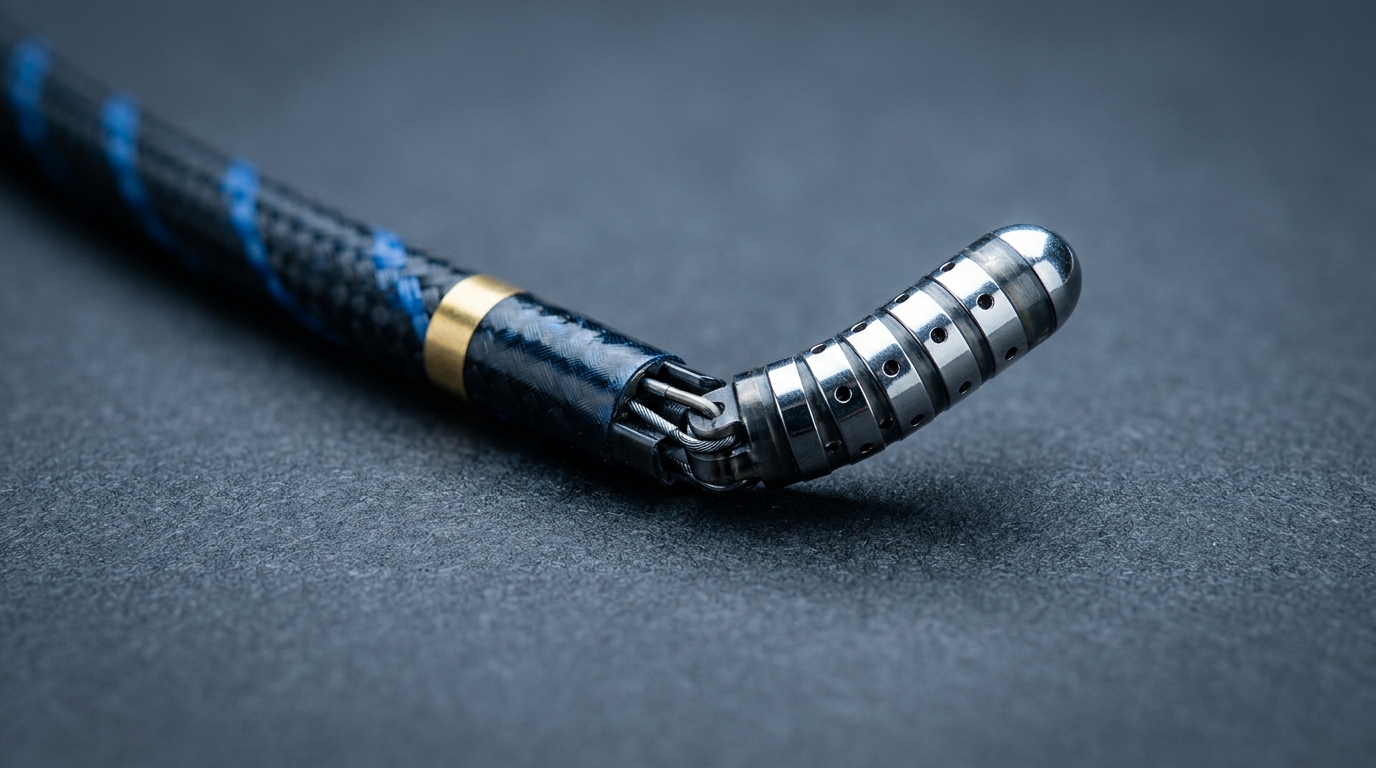
Model-Based Deflection & Finite Element Electric Field Modeling (COMSOL) to optimize cardiac lesion depth without phrenic nerve thermal collateral damage.
Handheld laser speckle contrast optical probe providing continuous real-time quantitative capillary blood flow maps during cerebral aneurysm clipping.
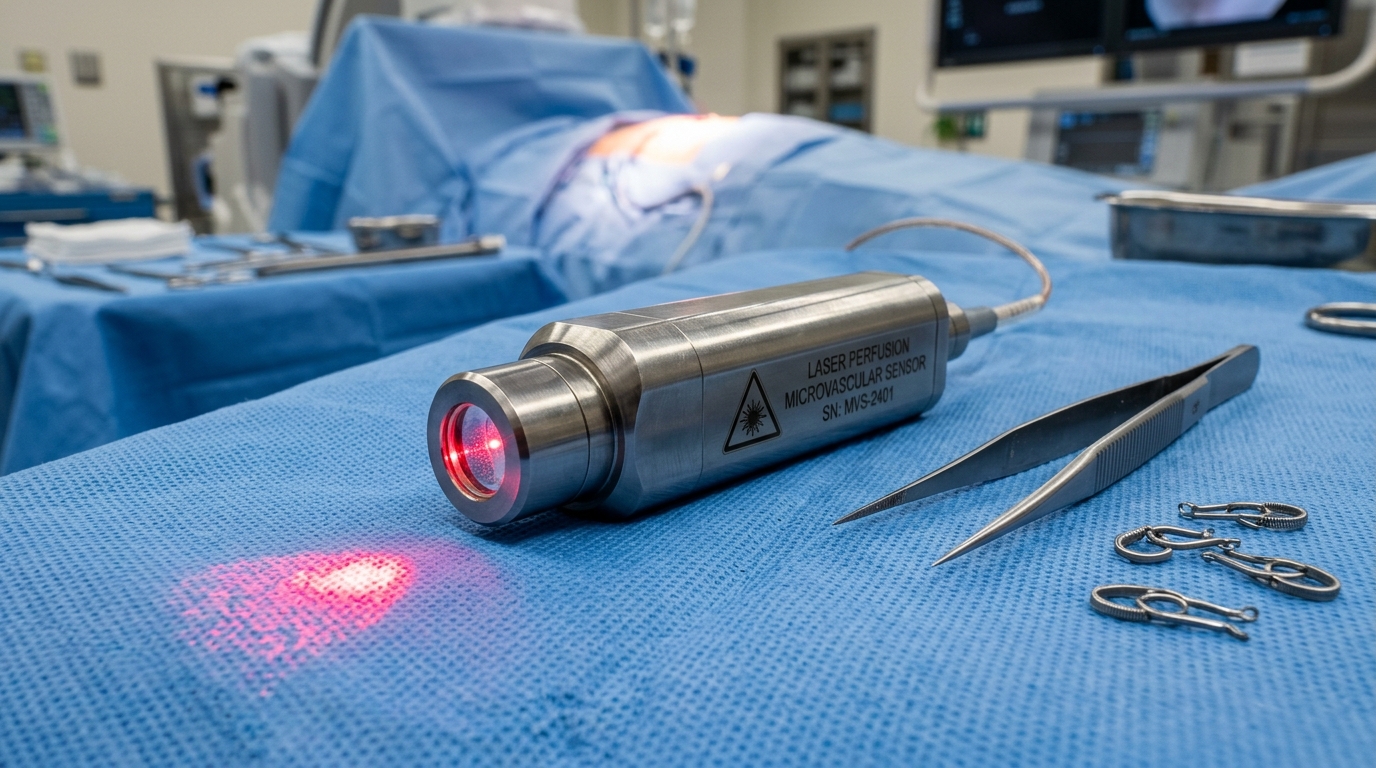
Optical Monte Carlo simulation for light transport through human cortical brain tissue; ambient surgical theatre light filtering via narrow bandpass optical coating.
CDRH warning letters and recalls with preventive root causes.
Subject: MedicaLyte Liquid Bicarbonate Concentrate REF: BC-100 and BC+201

Hemodialysis concentrates contain high endotoxin levels
Tighten raw material incoming inspection via kinetic chromogenic LAL testing per USP <85>; issue SCAR and audit sub-tier supplier water-for-injection systems under ISO 13485 clause 7.4.
Subject: Product Name: DermaV Laser System Model/Catalog Number: DermaV Medical laser device that delivers pulsed laser energy at wavelengths of 532 nm and 1064 nm through a fiber-optic handpiece. The system may be configured with an Intelligent Cooling Device (ICD) to provide epidermal cooling during laser treatment
Utilizing higher fluences at 1064nm wavelength with current cryogen parameters may result in a spark/loud noise during treatment, potentially resulting in patient burn.
Review CAPA root-cause teardown and update process validation protocol per 21 CFR 820.75 / ISO 13485:2016.
Subject: Products that contain the Pericare Wipes: SureStep" Foley Tray System Add-A-Foley Catheter REF: A153200 UDI code: 00801741121067¿ 10801741121064 SureStep" Foley Tray System Complete Care¿ Add-A-Foley Catheter REF: A304400A UDI code: 00801741073847¿ 10801741073844 SureStep" Foley Tray System Add-A-Foley Catheter REF: A399400 UDI code: 00801741100369¿ 10801741100366 SureStep" Foley Tray System Complete Care¿ Add-A-Foley Catheter REF: A399400A UDI code: 00801741073915¿ 10801741073912 SureStep" Foley Tray System Complete Care¿ Add-A-Foley Catheter REF: A904400A UDI code: 00801741074097¿ 10801741074094 SureStep Intermittent Catheter Tray REF: INTAAI UDI code: 00801741183317 10801741183314 For urological use only, Intended for use in the drainage and/or collection and/or measurement of urine.
Due to complaints received indicating presence of contamination on the surface of pericare wipes provided with various Foley and Intermittent Catheter Trays.
Enforce 21 CFR 820.70(e) manufacturing material controls: transition packaging drive components to NSF H1 medical-grade lubricants and mandate shift-clearance swab verifications.
Subject: Getinge PVC Thoracic Catheter, Soft PVC Straight, 10 per Case; Size(Model Number): 1. 16FR(8016), 2. 24FR(8024), 3. 28FR(8028), 4. 32FR(8032), 5. 36FR(8036);
An Out of Specification result (OOS) related to bacterial endotoxin testing in a single lot of catheters.
Tighten raw material incoming inspection via kinetic chromogenic LAL testing per USP <85>; issue SCAR and audit sub-tier supplier water-for-injection systems under ISO 13485 clause 7.4.
Upcoming enforcement milestones and standards deadlines.
Complete replacement of legacy 21 CFR Part 820 Quality System Regulation with the Quality Management System Regulation (QMSR), directly incorporating ISO 13485:2016 and risk management (ISO 14971:2019).
Update QMS references, ensure clinical risk management directly feeds CAPA triggers, and conduct mock QSIT-to-QMSR transition audits.
Notified bodies enforcing MDCG 2019-16 Rev 1 guidance across Class IIb and Class III active devices, requiring lifetime post-market vulnerability handling and SBOM maintenance.
Establish automated continuous vulnerability scanning against NIST NVD for third-party libraries across all CE-marked connected firmware.
FDA strictly rejecting cyber-device submissions missing machine-readable SBOMs (CycloneDX or SPDX format) or lacking structured coordinated vulnerability disclosure (CVD) programs.
Embed machine-readable SBOM exports and automated static analysis into Phase 2 design verification prior to eSTAR compilation.
Procedural segment growth, market share shifts, and M&A consolidation.
PFA systems continue outpacing traditional radiofrequency (RF) and cryoablation in European and US high-volume centers. Procedural speed and preservation of esophageal tissue drive adoption, putting pressure on legacy thermal ablation platforms.
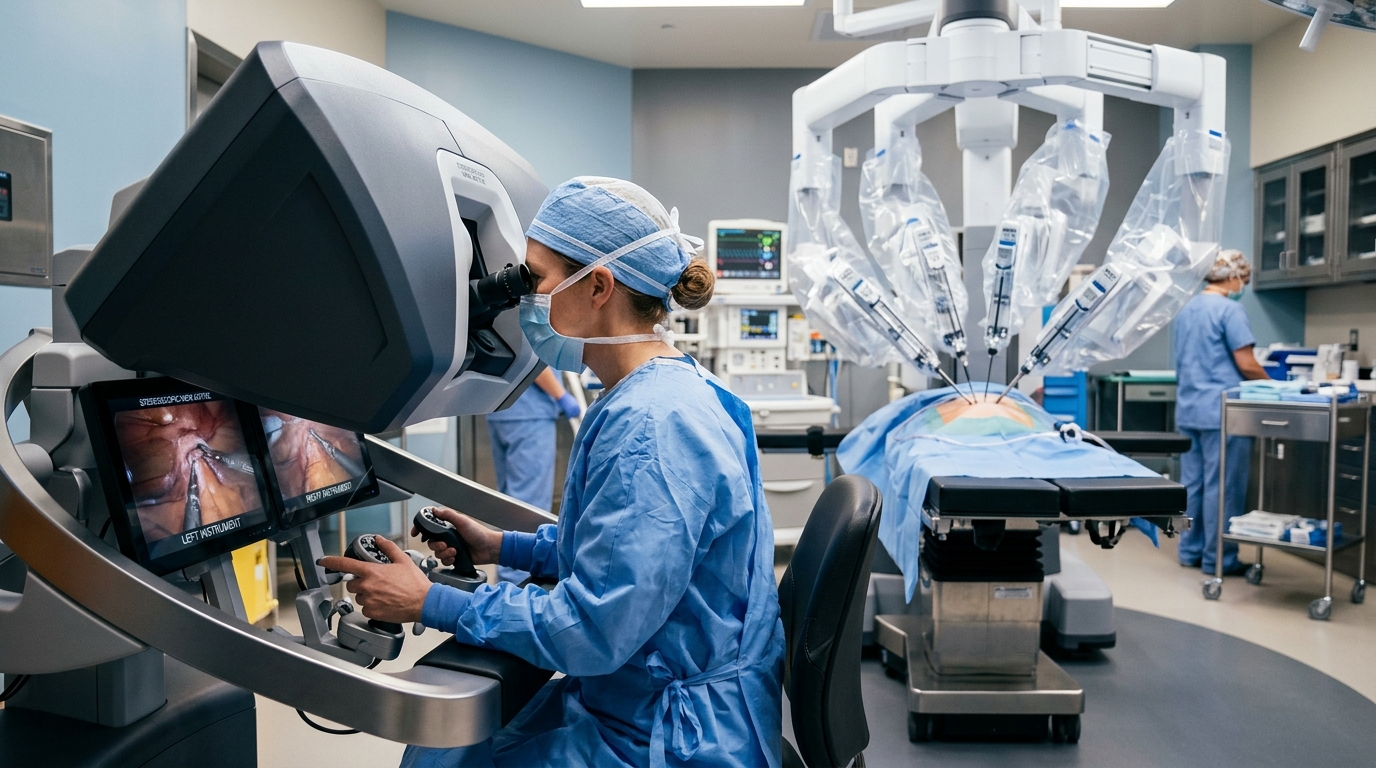
Mid-cap device strategics are aggressively acquiring AI-guided navigation startups to bundle smart sensor catheters with existing capital consoles. Valuations reflect strong premiums for cleared 510(k) platforms with valid CPT billing pathways.
Public filings and corporate reorganizations indicate selective headcount reductions in mature consumable segments paired with rapid hiring for systems engineers skilled in IEC 62304 and premarket cybersecurity (Section 524B).
The MedTech Index gained 2.8% this week led by structural heart and orthopedic implant manufacturers. Resilient procedure volumes reported across Medicare IPPS data continue buffering valuations against macroeconomic headwinds.
Payment policy, OPPS pass-through, and CPT tracking.
Adoption Impact: Enables centers to establish hospital outpatient claims history ahead of formal Category I conversion. Essential tracking metric for novel structural heart implants.
Adoption Impact: Reimburses incremental device acquisition cost for participating ambulatory surgery centers and outpatient departments.
CDRH AI/ML authorizations and Section 524B compliance.
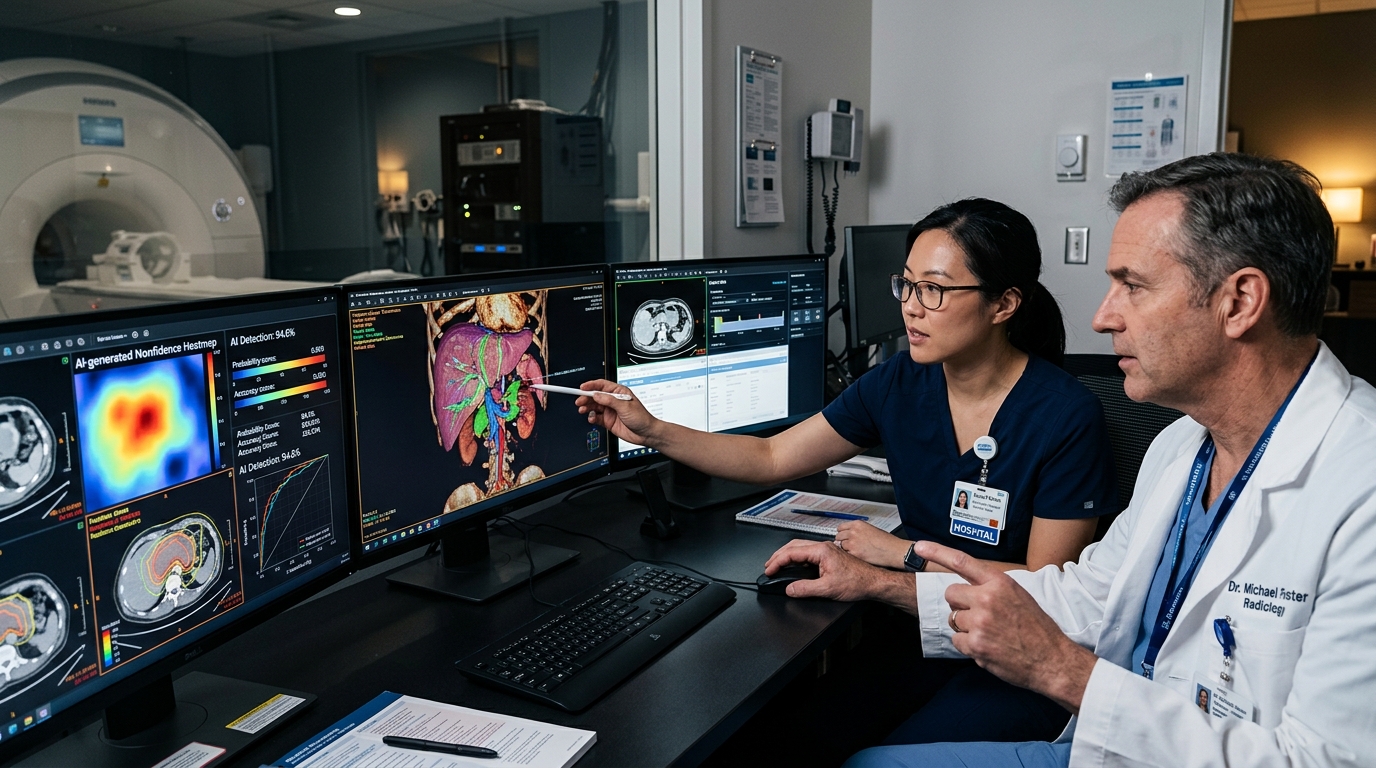
Latest authorizations emphasize Good Machine Learning Practice (GMLP) documentation and rigorous pre-determined change control plans (PCCPs), allowing algorithmic updates within specified performance envelopes without requiring a new 510(k).
Drafting a PCCP upfront during Phase 2 design controls saves an estimated 6 to 9 months on follow-on software releases.
CDRH continues strictly enforcing Software Bill of Materials (SBOM) machine-readable exports and vulnerability disclosure plans for all cyber-device submissions. Incomplete vulnerability management plans remain a primary source of 15-day RTA holds.
Use automated vulnerability scanners and validated SBOM generators before eSTAR premarket dispatch.
Field-tested automation architectures, generative prompts, and computational pipelines to accelerate 510(k) preparation, SBOM compliance, and design V&V.
Application: Ready-to-use LLM prompt for regulatory and biomedical engineers
Act as a senior FDA CDRH regulatory reviewer. Analyze the comparison between Proposed Device [Insert Name/Specs] and Predicate [K-Number/Name]. Evaluate against 21 CFR 807.87 and FDA 510(k) Substantial Equivalence guidance: 1) Are indications for use identical? If different, do differences alter therapeutic intent? 2) Do technological characteristics raise new questions of safety and effectiveness? 3) Identify all required performance bench testing (biocompatibility ISO 10993, electrical safety IEC 60601-1, software IEC 62304) necessary to establish equivalence. Format response as a concise FDA Deficiency Memo table.Human-in-the-loop regulatory engineer review required per FDA draft guidance on AI/ML in medical device lifecycle.
Eliminate 15-day CDRH Refusal-to-Accept (RTA) risk before filing
Modern RA teams are automating substantial equivalence tables by running LLM pipelines across openFDA JSON databases and cleared 510(k) summary PDFs. Automated parsers compare primary indications for use (IFU), energy sources, material biocompatibility endpoints (ISO 10993), and electrical safety citations, highlighting missing performance tests instantly.
Continuous CVSS vulnerability management for connected firmware
Under FDA Section 524B, submissions missing machine-readable Software Bill of Materials (SBOM) or lacking a vulnerability management plan face automatic RTA. Automated pipelines generate CycloneDX/SPDX manifests on every Git commit, scan NIST NVD databases, and map CVEs against the device threat model to calculate true clinical patient risk.
Reduce animal and bench test counts with computational evidence
FDA CDRH actively accepts computational modeling and simulation (CM&S) in lieu of physical testing when verified under ASME V&V 40. Modern interventional engineering teams use scriptable catheter mechanics and FEA/CFD digital twins to evaluate worst-case anatomical geometries before machining physical prototypes.
Ready-to-use LLM prompt for regulatory and biomedical engineers
Use this structured prompt with your internal LLM or Claude/GPT workspace to audit your draft substantial equivalence comparison before submitting to FDA.
Act as a senior FDA CDRH regulatory reviewer. Analyze the comparison between Proposed Device [Insert Name/Specs] and Predicate [K-Number/Name]. Evaluate against 21 CFR 807.87 and FDA 510(k) Substantial Equivalence guidance: 1) Are indications for use identical? If different, do differences alter therapeutic intent? 2) Do technological characteristics raise new questions of safety and effectiveness? 3) Identify all required performance bench testing (biocompatibility ISO 10993, electrical safety IEC 60601-1, software IEC 62304) necessary to establish equivalence. Format response as a concise FDA Deficiency Memo table.Accelerate your program with free calculators and pilots.
Instant 510(k) Predicate Lineage & Equivalence Scanner
Review cleared predicates, product codes, and review clocks in seconds to build an airtight substantial equivalence comparison.
Explore PredicateScope →DHF Gap Scan with a Scored Deliverable in 72 Hours
Facing a 483 citation, warning letter, or an impending EU MDR / FDA QMSR audit? We pinpoint documentation deficiencies across design controls with zero guesswork.
Review Remediate Pilot →Braid, Coil, Wall Thickness & French Size Simulator
Model shaft deflection, pick counts, and radial burst pressure without manual spreadsheet errors.
Run Shaft Calculator →Non-Dilutive SBIR, STTR & BARDA Grant Matcher
Screen non-dilutive government funding mechanisms mapped specifically to medical device archetypes and clinical maturity stages.
Find Funding Routes →Weekly Intelligence Digest
Never miss a clearance trend, warning letter finding, or reimbursement change. Select your role to prioritize the signals that matter directly to your day-to-day work.
Multi-Channel Syndication
Social Pulse & Broadcast Feed
Weekly signals packaged for rapid social review. Follow our feed on X for daily clearance breakdowns, or catch the 2-minute video teardowns on YouTube.
Medical Device Snapshot (Week of September 28 News) is live. Key signals: • Nipro Renal Soultions USA, Corporation Class II alert • 47 new 510(k) clearances across cardiovascular & ortho • Pulsed Field Ablation captures 42% of new EP installs • CPT 0924T tracking Full breakdown below 🧵👇
1/ REGULATORY RADAR: FDA clearances were dominated by interventional microcatheters and neuromodulation systems this week. Takeaway: Review clock medians reflect faster eSTAR triage for applicants citing predicates with identical primary indications for use.
2/ SAFETY & ENFORCEMENT: CDRH enforcement focused heavily on manufacturing parameter drift and battery management firmware. Warning Letter reminder: Any change in additive manufacturing sintering parameters triggers a 510(k) review under 21 CFR 807.81(a)(3).
3/ MARKET SHIFTS: Pulsed Field Ablation (PFA) continues its rapid displacement of thermal ablation in high-volume cardiac centers. Key advantage: Faster procedure times and reduced esophageal tissue complication risk drive institutional procurement preference.
4/ REIMBURSEMENT UPDATE: CMS active on CPT 0924T (Category III tracking for percutaneous tricuspid valve replacement). If you're developing novel structural heart tech, tracking early hospital outpatient utilization under Cat III codes is vital for payer coverage.
5/ AI & CYBERSECURITY: FDA's Premarket Cybersecurity (Section 524B) enforcement remains uncompromising. Incomplete SBOMs and lack of a structured vulnerability management plan account for over 40% of preliminary 15-day RTA holds for connected medical devices.
6/ 10xAnd TOOL SPOTLIGHT: Checking predicate history for an upcoming submission? Use PredicateScope (100% free) to trace clearance timelines, product code families, and predicate trees in under 10 seconds: https://10xand.com/predicatescope
7/ Subscribe to the Weekly Medical Device Snapshot: Get curated clearances, warning letter analyses, CPT coding shifts, and market share trends delivered to your inbox every Monday: https://10xand.com/snapshot